What's in the Engine Passport
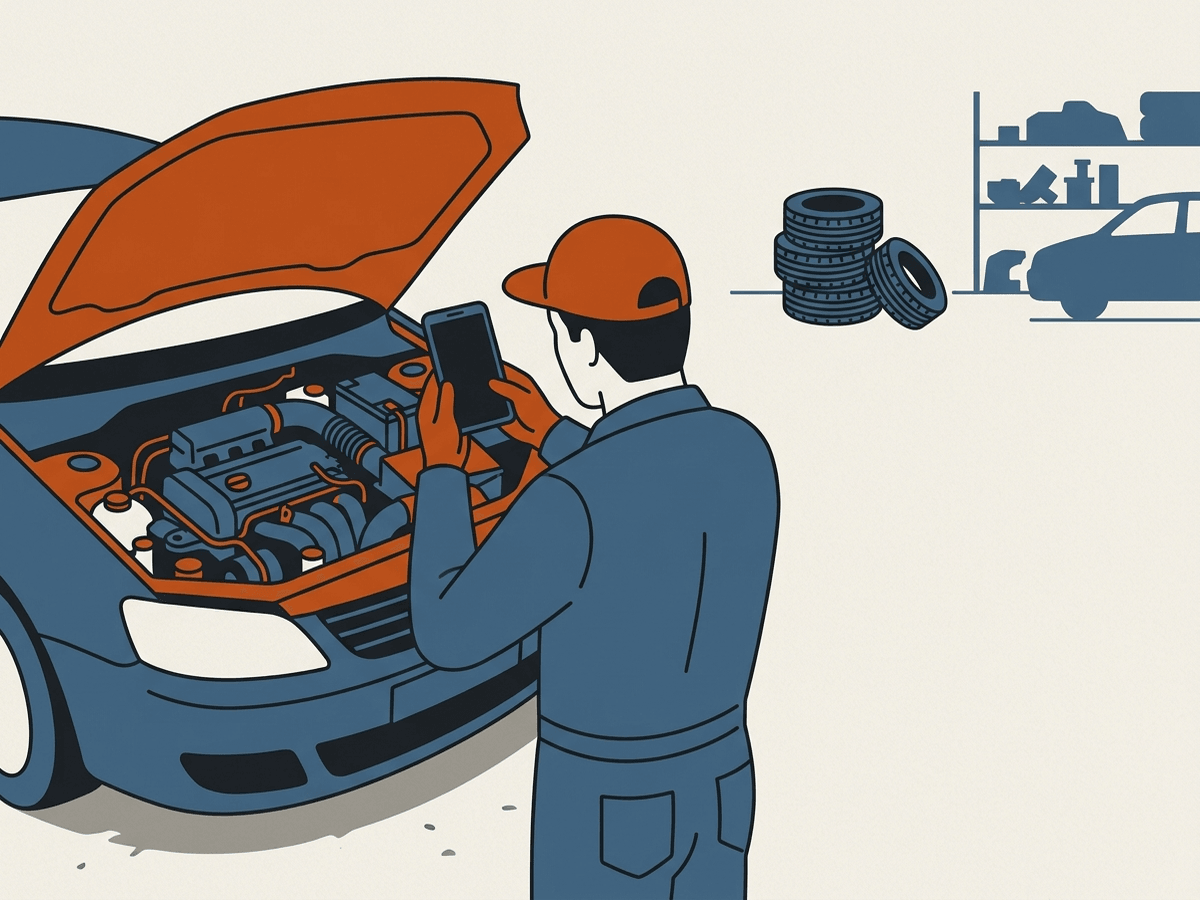
Start-up video
Shot in the donor car before dismantling, so you see the engine running where it was.
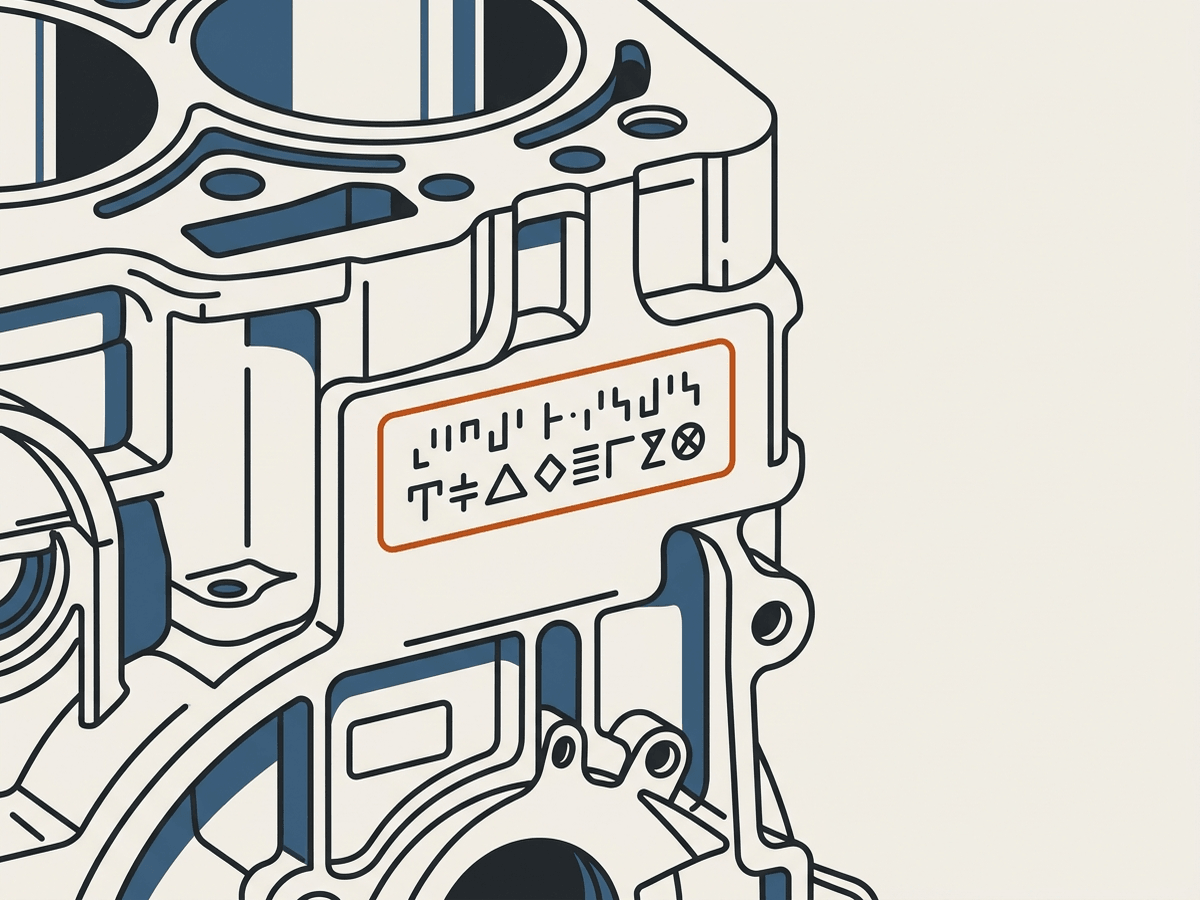
Engine stamp, matched twice
Photographed at registration and again at yard intake. The two photos are matched automatically.
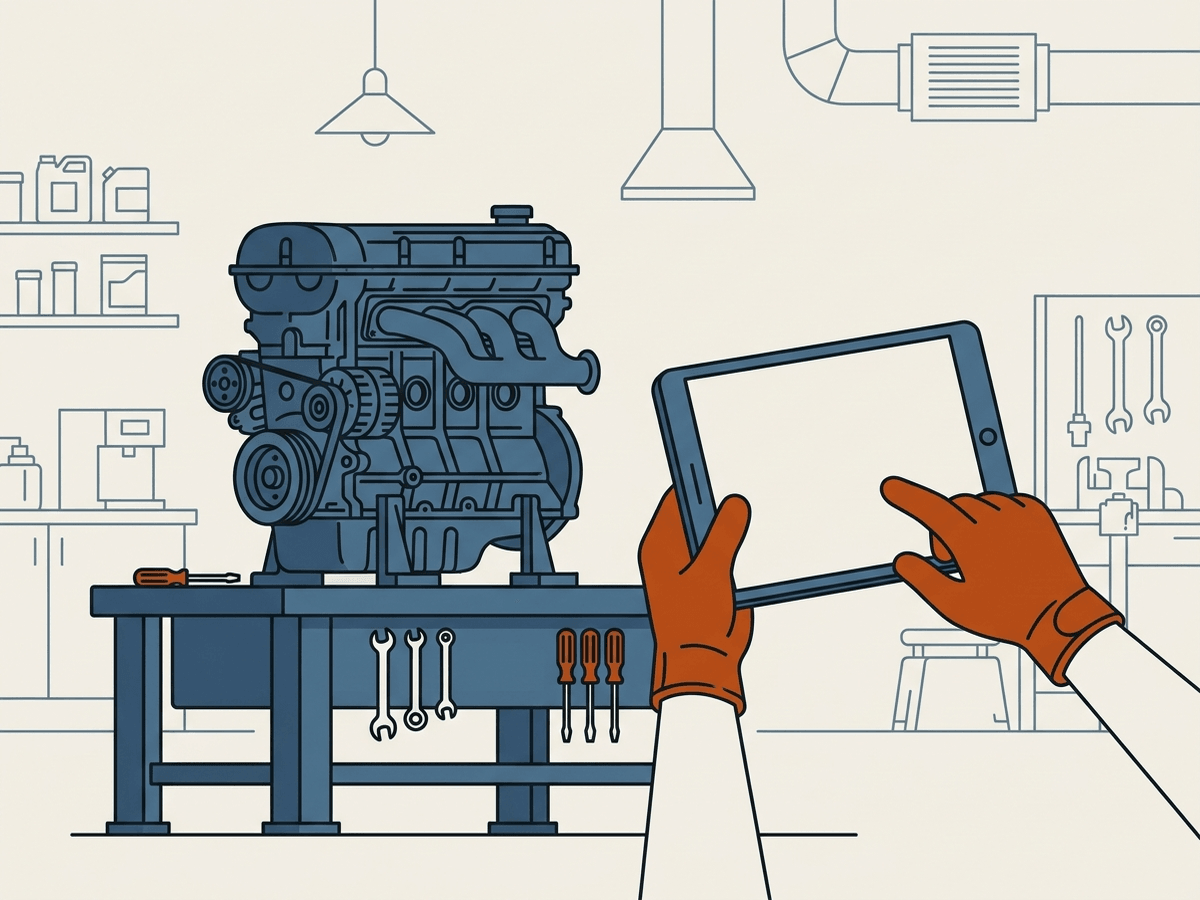
Inspection, grade and attached parts
Inspected at the yard on 6 items, graded by rule, with a checklist of the parts still attached.
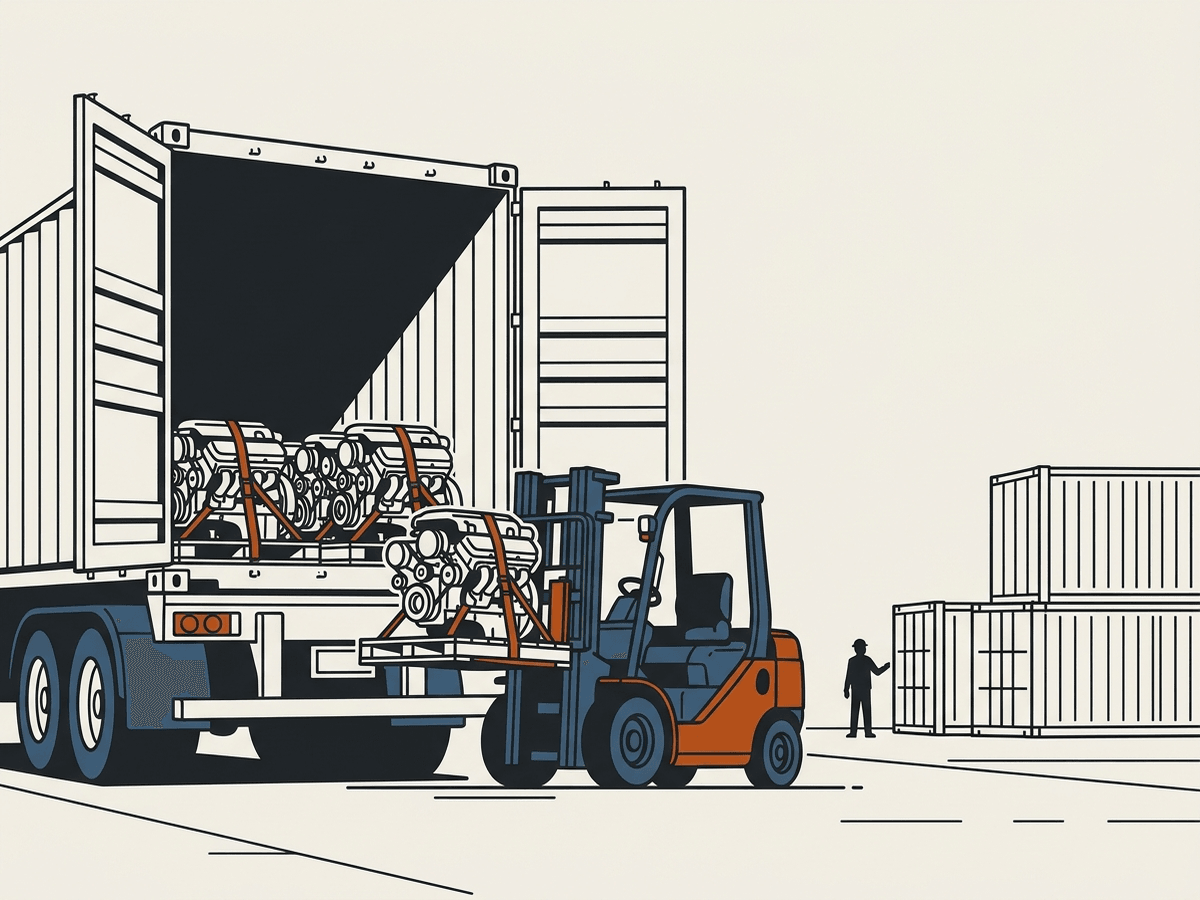
Damage map and chain of custody
Every scratch and crack marked on a diagram, and every step from registration to loading logged in order.
The journey of one engine
Record
Start-up video and stamp, still in the donor car
Inspect
Stamp matched at intake, graded on 6 items at the yard

Bid
Weekly auction; buyers bid on the record
Load
Paid, then loaded into the container at the yard
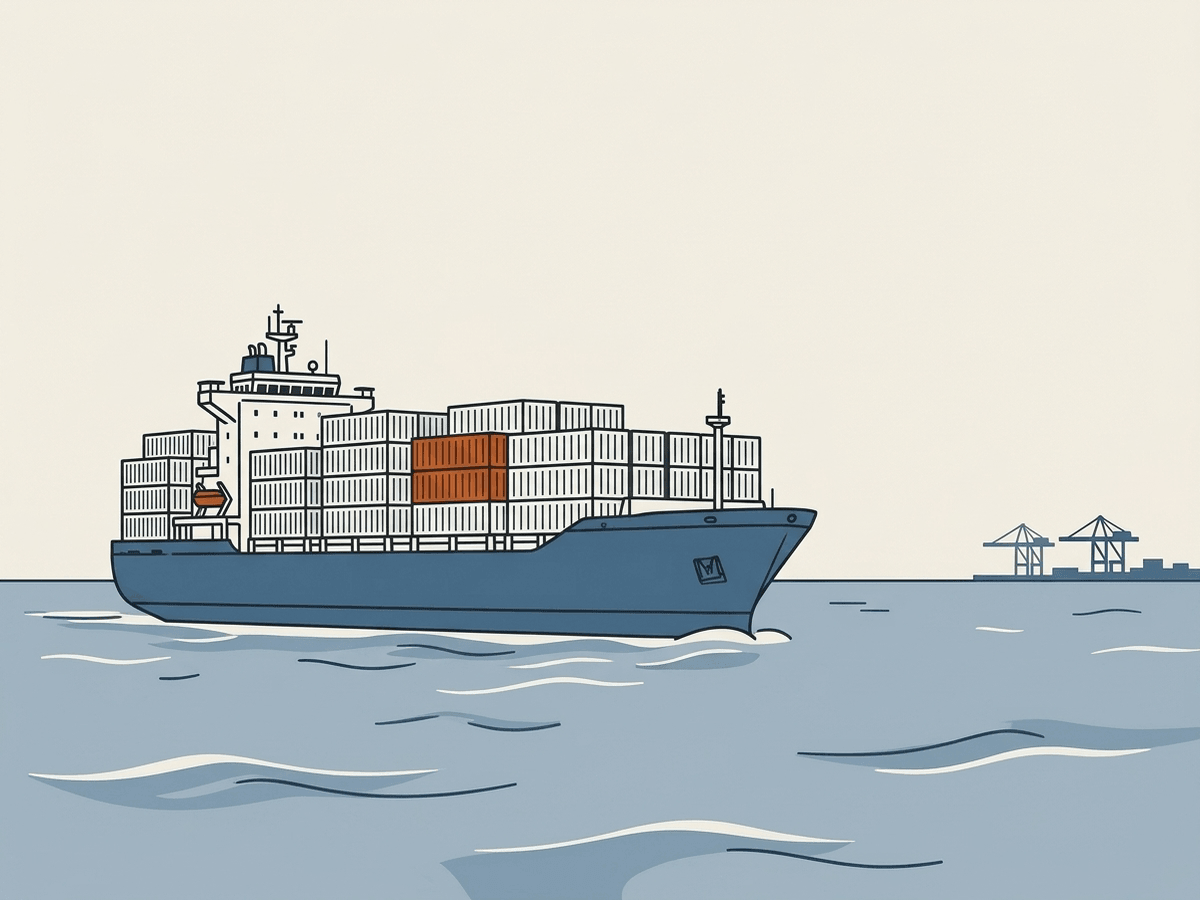
Sail
Via Busan, to your port

Scan
The workshop scans the QR and sees the same record, in its own language
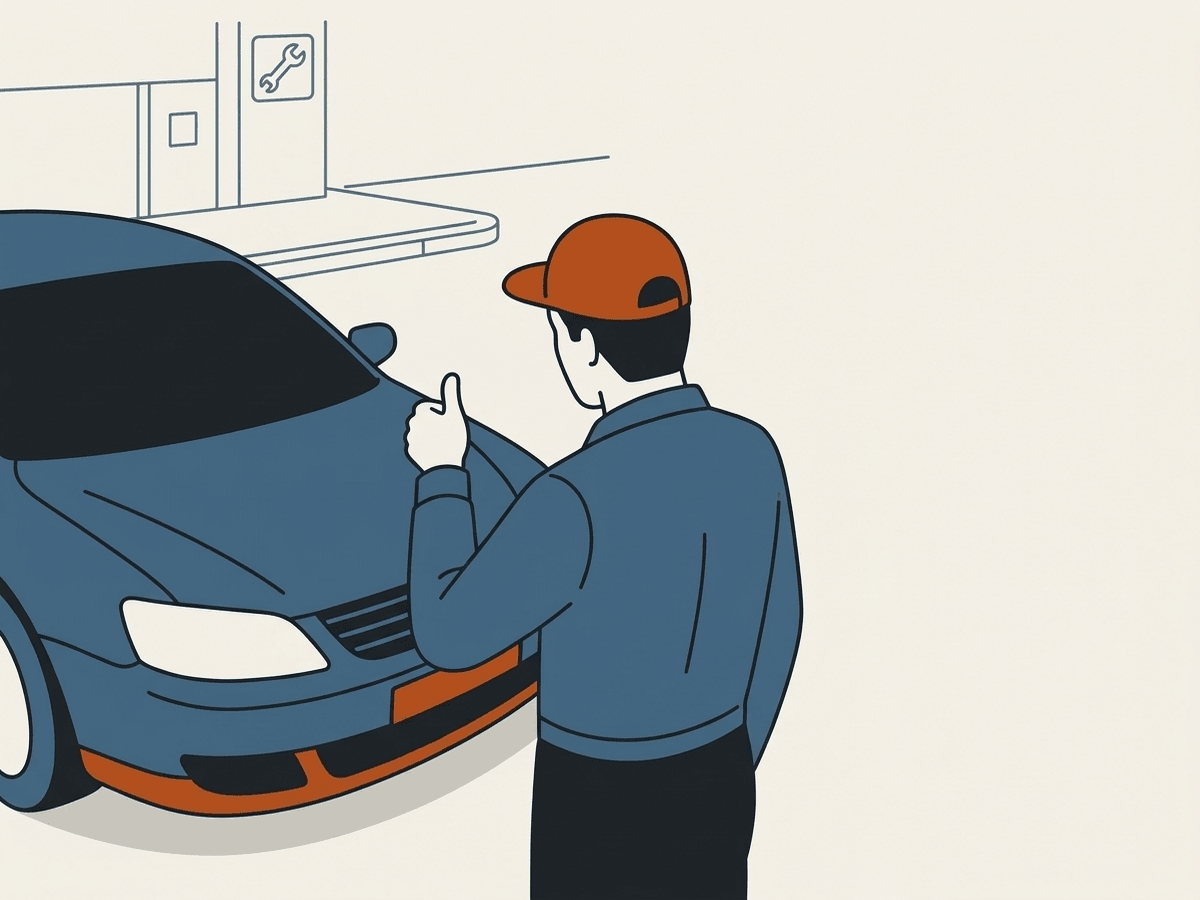
Next car
The last person installs it with the whole story in hand
The Engine Passport goes all the way.
How it works
- Register
- Deposit
- Bid online (weekly, closes Wednesday 17:00 JST)
- Pay
- Loaded into your container at the yard in Ishikari
- Shipped via Busan transshipment to your port
How engines are graded
Every engine is inspected at the yard on 6 items. The grade is decided by rule, not by opinion.
| Item | Levels, best first |
|---|---|
| Mileage | Up to 100,000 kmUp to 140,000 kmUp to 200,000 kmOver 200,000 kmUnknown |
| Start condition | Starts wellStarts, unstable idleStarts, noise / white smokeNo start (starter turns)No start (starter noise)Damaged / locked |
| Video | Start-up videoNo video |
| Rust | No rustRust 10%Rust 30%Rust 50%+ |
| Sludge | No sludgeSlightModerateHeavy |
| Crank | OK (turns)NG (does not turn) |
Low mileage, starts well, video present, little rust or sludge, crank OK.
Everything else that starts and has a crank that turns.
Does not start, or crank NG. Sold for parts.
Missing parts: a deduction for each missing part, listed on the lot page.
Chain of custody
Video hash, timestamps, stamp match and inspection photos are all shown on every lot page. You buy against the record, not a promise.
- RegistrationStart-up video with SHA-256 hash and timestamp, shot by the seller before dismantling.
- TagA lot number is issued and tagged to the engine.
- Yard intakeThe stamp is photographed again and auto-matched with the registration photo.
- Inspection photos6-item inspection and photos at the yard.
- ListedEverything above is on the lot page before bidding opens.
The QR stays on the engine. Resell with it — your customer sees the same record.
The yard in Ishikari (real photos)
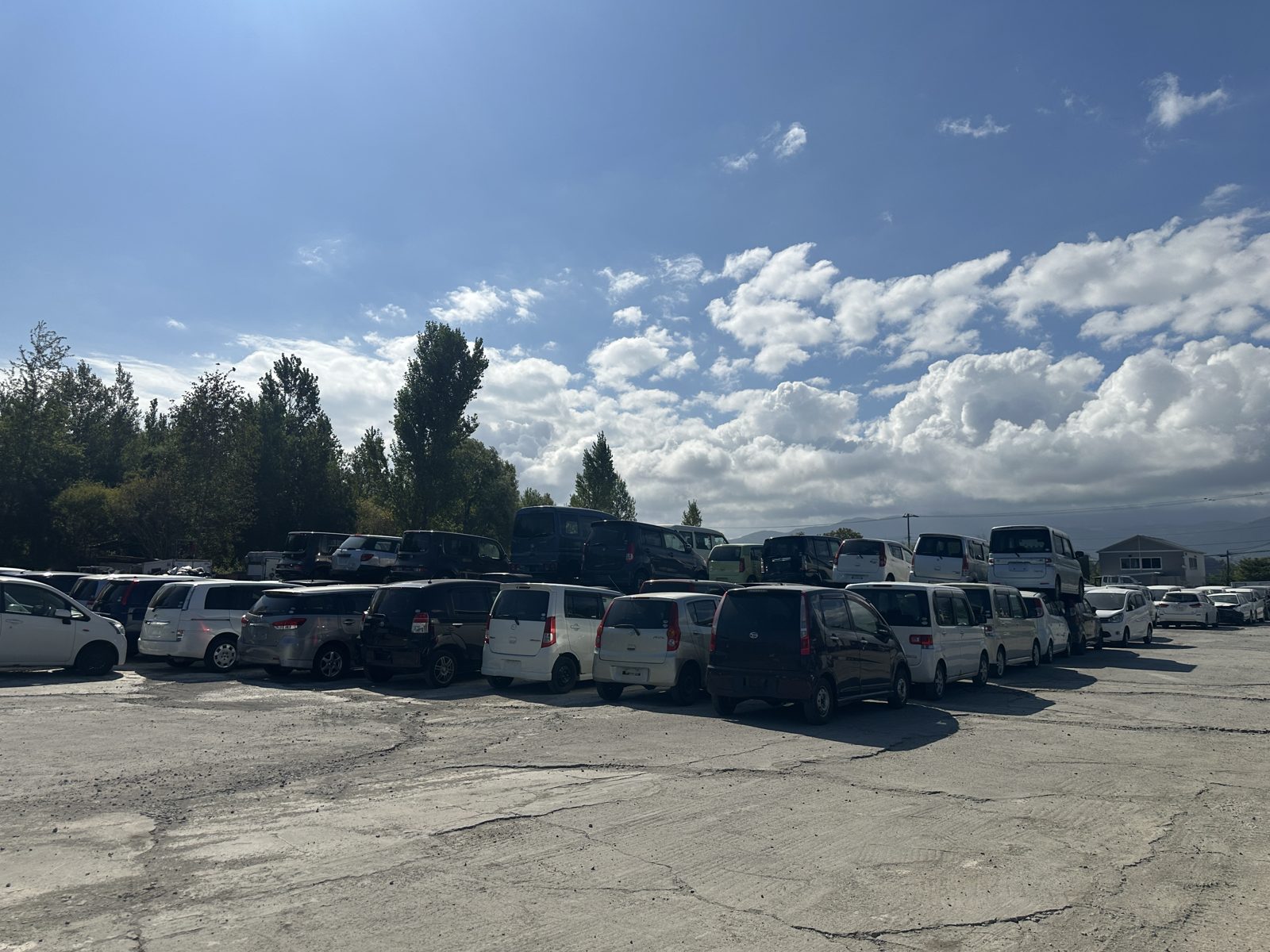
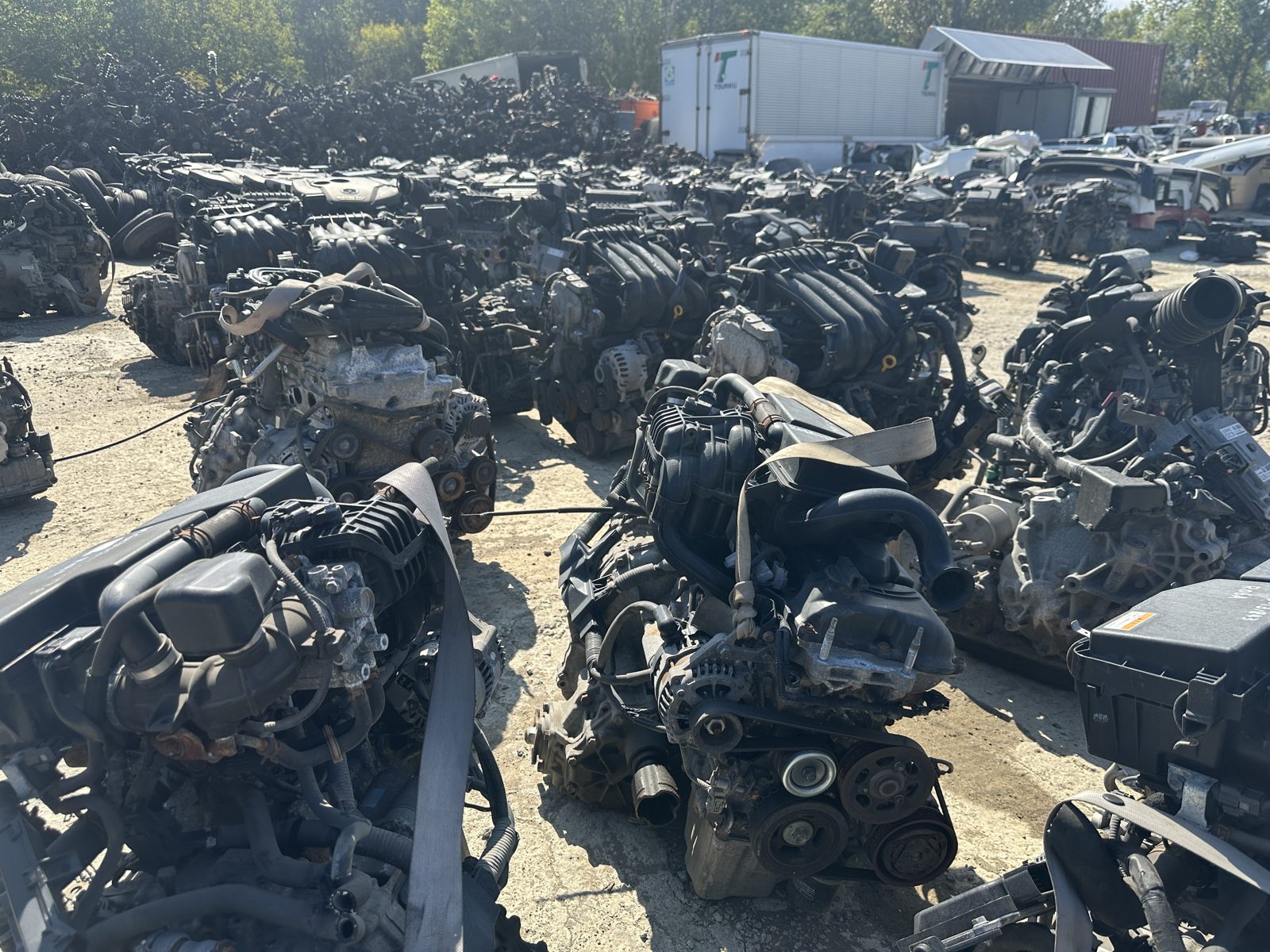

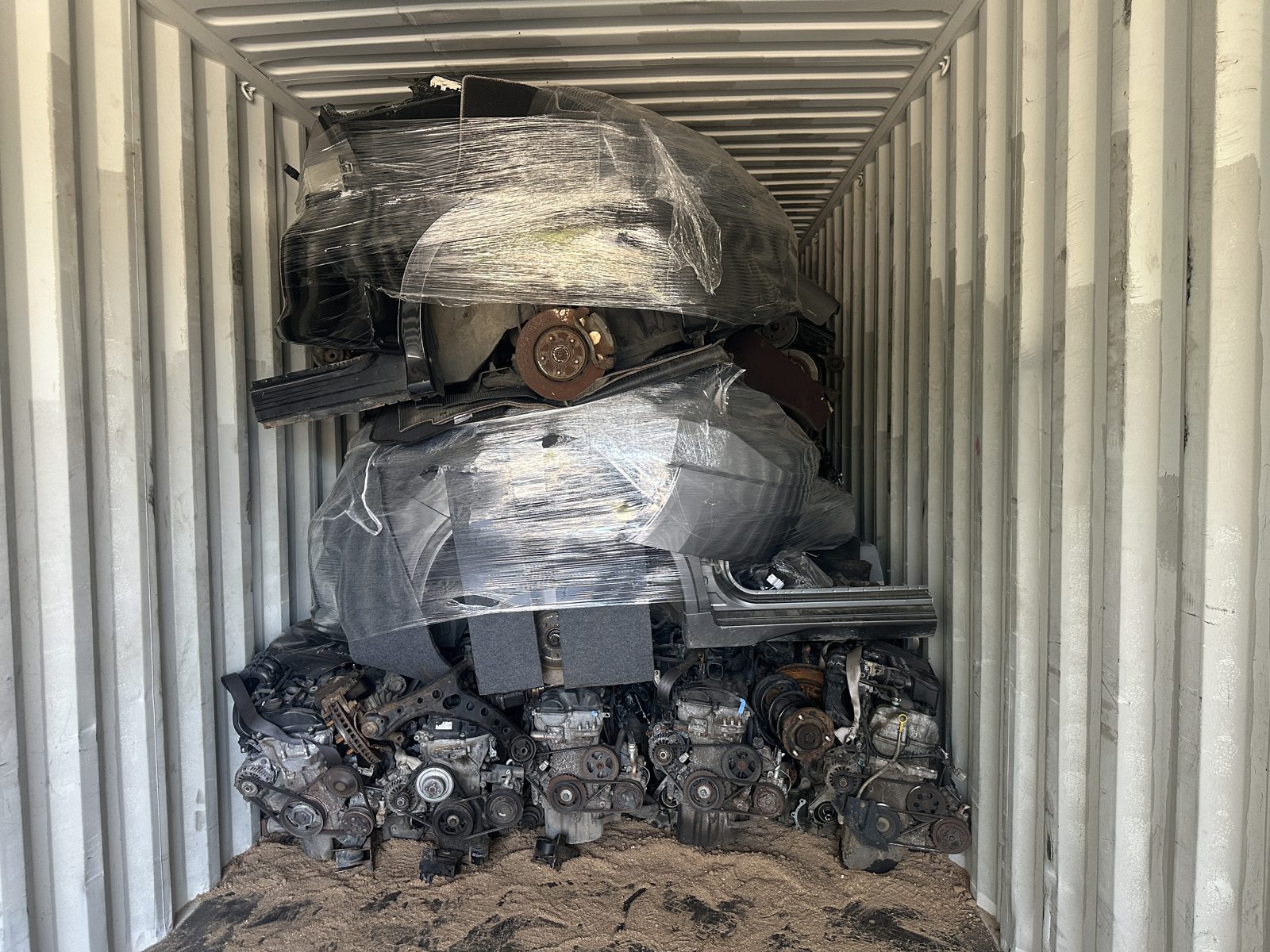
Taken in September 2026. Intake, inspection and loading happen exactly here.
Container & shipping
- No container? Collect won engines directly at the yard in Ishikari.
- 20ft or 40ft containers, loaded at Ishikari or Tomakomai.
- Freight Collect (you book) or Prepaid (quote via our forwarder).
- Routes to the Middle East, South Asia, Africa and South America (Chile) transship at Busan.
- Transit days and freight: to be confirmed with your forwarder.
How bidding works
- The weekly auction closes Wednesday 17:00 JST.
- Bids move in fixed steps.
- A bid in the last minutes extends the close.
- A reserve price may apply.
- A deposit is required before you can bid.
Fees
Buyer premium (a percentage of the hammer price) and a per-container loading fee. Both are shown before you bid.
Rules
- No claims on condition that is visible in the photos and video.
- Compensation is discussed within one month of arrival.
- Engines are used parts.
Parent buyers and their buyers
There are two ways in. A parent buyer is a company that gathers its own customers in its market; those customers register underneath it and bid for themselves.
Parent buyer — you bring your own customers
- Less travel: you no longer have to fly to Japan and stay here to buy.
- No price calls: you never have to check a price with a customer, because the auction decides it.
- Less explaining: your customers watch the start-up video and read the inspection record themselves.
Buyer under a parent buyer
- You register through the invitation link from your parent buyer.
- You bid yourself, from your own phone.
- You pay your parent buyer, and your engines come home in their container.
For now we work with one parent buyer per country, so it is worth talking early.
FAQ
What is the Engine Passport?
The public page behind the QR tag on the engine. It shows the start-up video, both stamp photos, the inspection, grade and damage record, and the chain of custody. It does not show the hammer price or the seller. Anyone who scans the tag sees it: before you bid, after it lands, and when you resell.
Can I collect engines myself instead of shipping?
Yes. After payment, pick them up at the yard in Ishikari by appointment. No container or loading fee in that case.
Can I inspect in person?
Yes, at the yard by appointment. You can also request photos or ask questions on the lot page.
What if the engine differs from the record?
A stamp mismatch is shown on the lot page. Sellers are liable for misdeclaration. Claims are discussed within one month of arrival.
How do I pay?
Bank transfer in JPY before loading.
Can I fill a container from several auctions?
Yes. Your container stays open at the yard until it is full.
Which languages do you support?
The site is in 8 languages. Support is in English and Japanese.