Bring your customers. You stay home.
Your customers bid for themselves, from their own phones, on engines that are still in Japan. You keep the relationship, the container and a share you set yourself.
Why this is worth it for you
You stop flying and staying
You no longer travel to Japan and live in a hotel to buy. Every engine is inspected and recorded before anyone bids on it.
The price calls stop
You never ring a customer to ask whether to take this one at this price. The auction decides the price, and your customer is the one bidding.
Your customers see it themselves
Each lot carries a start-up video, the engine stamp photographed twice, the inspection, the grade and a damage map. Your customer watches and reads before bidding, so you explain far less.
Your share becomes a fixed fee
You no longer live on the gap between the Japanese price and your price. You set your own fee, and the system carries it into every statement.
How the money moves
We never hold the money. It moves between your customer, you, the yard and the seller. The system records who owes what and prints the paperwork.
- Your customerPays you, in the currency you chose, against a statement issued in your name with your bank details on it.
- YouCollect from your customers and pay the yard in one transfer for everything your side won.
- The yardInvoices you: the winning prices, the venue fee and the vanning fee — vanning is the work of loading the engines into your container. When your payment lands, your container is loaded.
- The sellerThe dismantler is paid by the yard, in Japan. Neither you nor your customers handle that side.
- Sea freight and customsYours. You book the vessel and clear the goods at your end. The engines become yours once they are in your container at the yard.
Two ways to show the price to your customers
Choose one. It applies to all of your customers, and you can change it later in your settings.
A. Show the auction price, with your fee beside it
Your customer sees the same price the auction shows. Your fee appears as its own line on their statement, so nothing is hidden and nothing has to be explained twice.
Say to your customer: "The price you see is the auction price. My fee is a separate line on your statement."
B. Show only your price
The system adds your margin before the price reaches your customer, and takes it back off the bid they place. Your customer sees one price and one total, and never sees the auction price.
Say to your customer: "The price you see is my price to you. There is nothing to add afterwards."
The yard in Ishikari (real photos)


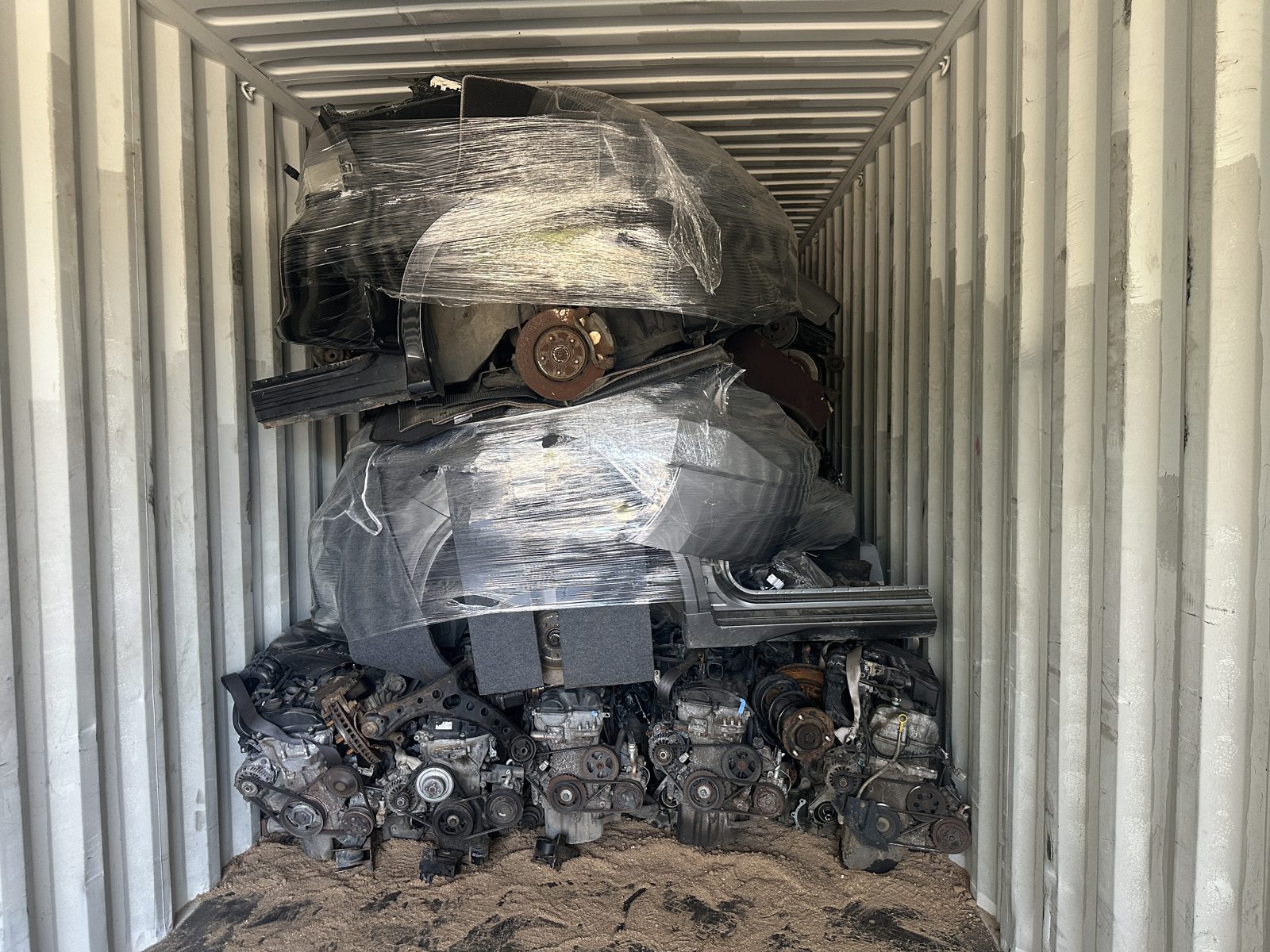
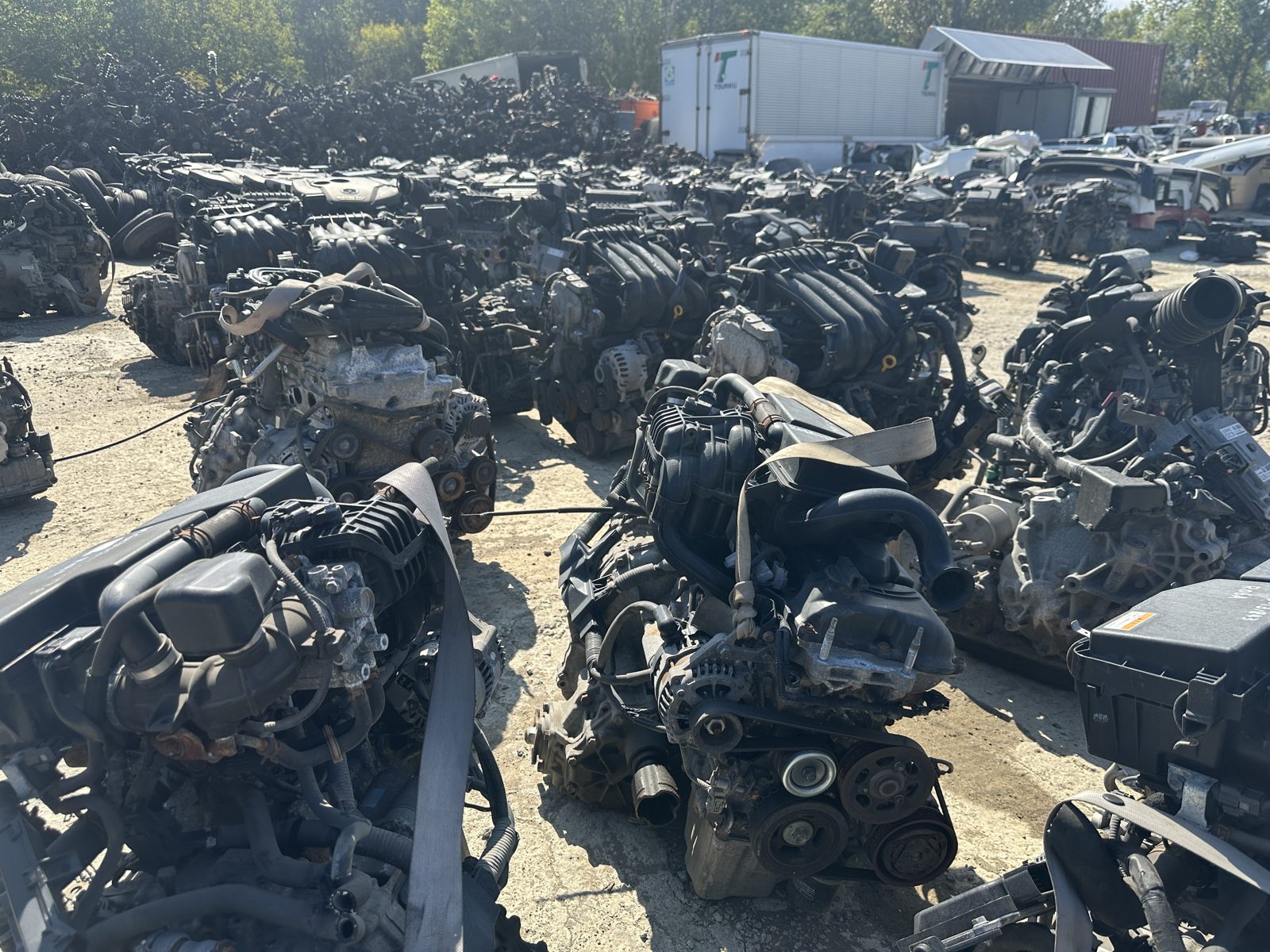
Taken in September 2026. Intake, inspection and loading happen exactly here.
What your customer sees — and what they do not
They see
- The start-up video, shot inside the donor car before it was dismantled.
- The engine stamp, photographed at registration and again at intake, matched automatically.
- The grade, decided by rule from the inspection rather than by opinion.
- The damage map, with every scratch and crack marked on a diagram.
- The list of parts still attached, and of parts missing.
- The Engine Passport: the record page behind the QR tag that stays on the engine.
- Your company name, your bank details, and a statement issued in your name.
They do not see
- The name of the yard, or anyone else on the Japan side.
- Your other customers, or what those customers bid.
- Your margin, if you chose to show only your price.
What you do
- RegisterGive your company, your contact person, your country and the language you want the screens in.
- Wait for approvalWe check the registration. Once you are approved, your invitation link starts working.
- Set upChoose how the price is shown, your fee, your currency and the rate to quote, and the bank details your customers should pay into.
- Hand out your invitation linkEveryone who opens it registers underneath you. Send it in your own messages; the page they land on carries your company name.
- Approve your customers and set their ceilingsApprove each customer, and give each one a bidding ceiling. The total of the bids they have running at once cannot go above that ceiling.
- Auction weekYour customers bid for themselves. You watch what is running and what they won, in both the auction price and the price they see. You may bid yourself too.
- After the closeThe yard invoices you. You pay. The system issues a statement in your name to each customer, and you mark each one received as the money arrives.
- ContainerBook it, have it loaded at the yard, and take the B/L — the shipping line’s receipt and document of title — with the packing list, which shows which lot is in which container, sorted by customer.
Rules and responsibility
- A bid cannot be withdrawn. When your customer wins, the engine is sold.
- If a customer does not pay, you pay. That is what the ceiling is for.
- Arrival dates are an estimate. Nobody here can promise a sailing or a port.
- Engines are sold as they are recorded. The video, the photos and the inspection are the condition you are buying.
Questions we are asked
Do I still have to come to Japan?
No. Everything you would come to look at is on the lot page before bidding opens, and you may still visit the yard by appointment if you want to.
If my customers bid for themselves, how do I earn?
From the fee you set, and from what you charge for freight and import. The system carries your fee into every statement, so it is never something you have to ask for.
Can I bid myself?
Yes. You bid at the auction price, alongside your own customers.
Does each customer need a deposit?
Yes. Each customer places a deposit with you, and you record it here once it arrives. The deposit and the customer’s rank set how much they can have unpaid and in bidding at once. Customers who pay on time move up and can buy more; a missed deadline is taken from the deposit and pauses their bidding.
What if a customer does not pay me?
The lot stays on your account as uncollected, and you settle with the yard. Set each ceiling with that in mind.
Can I change how prices are shown later?
Yes, in your settings. The change takes effect on the next auction.
Whose name is on the shipping documents?
Yours. You are the consignee. Your customers do not appear on the B/L or at customs.
Is there another parent buyer in my country?
For now we work with one per country, so it is worth talking early.
Words you can pass straight to your customers
Copy these into your own messages.
You bid yourself, from your phone, on engines that are still in Japan. I handle the shipping and the paperwork.
Before you bid, watch the start-up video and read the inspection record on the lot page. You are buying against a record, not a promise.
You pay me, not Japan. I send you a statement in my name, and your engines come home in my container.